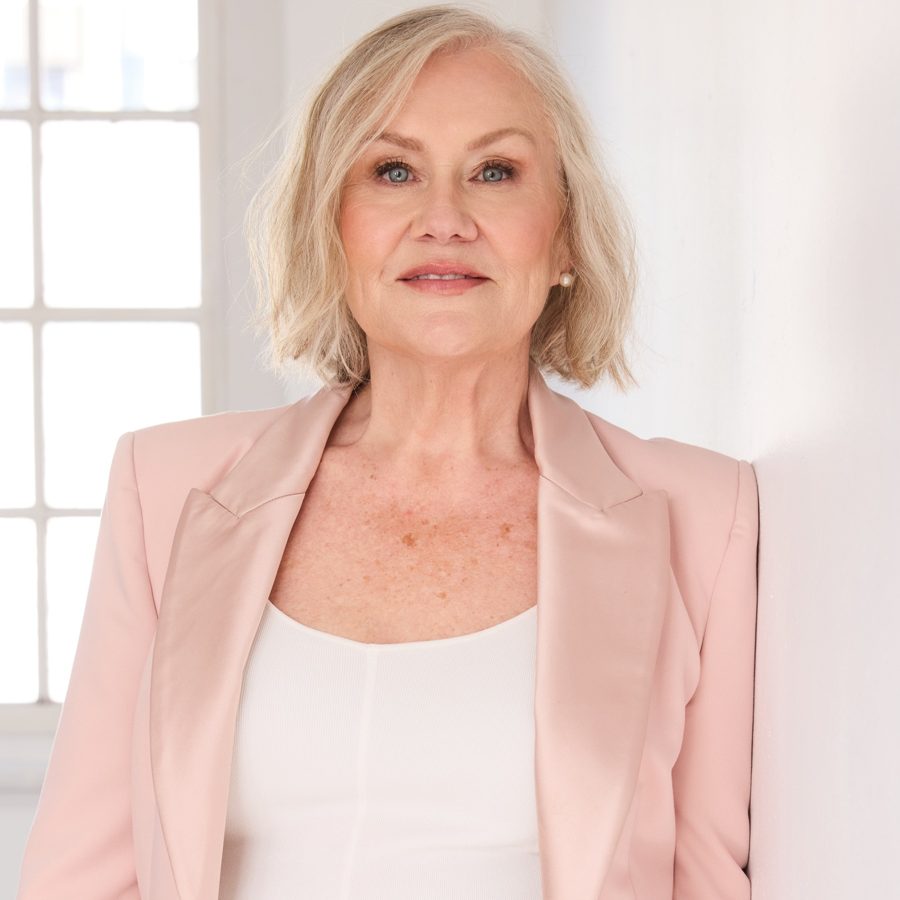
Should I leave my marriage after 25 years? 5 honest questions to ask first
By Deidre Brooker, therapist · · 3 min read
The short answer
There's no right answer for everyone, and wanting to leave after 25 years is more common than many women think. The decision gets clearer when you separate fear, guilt and obligation from what you actually want. Five honest questions can help: what you'd choose if fear weren't a factor, when the distance began, whether you can be yourself, who you want to be at 65 and 75, and which fears are facts. Staying differently, leaving gently and waiting on purpose are all valid outcomes.
The question you haven't said out loud
It often arrives quietly. You're stacking the dishwasher, or lying awake at 2am, and the thought surfaces again: Is this it? Do I stay, or do I go?
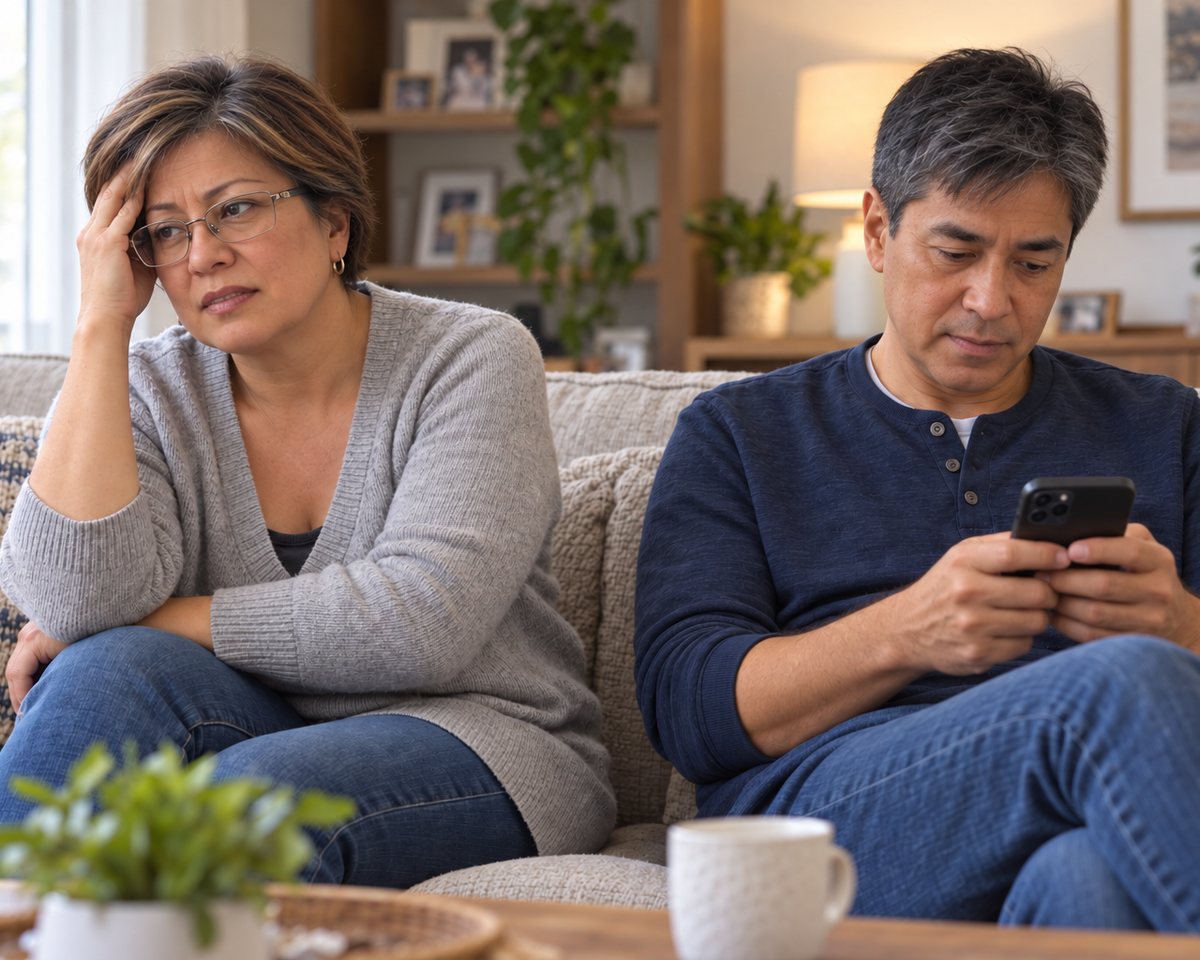
From the outside, everything looks fine. You've built a home, raised a family, weathered more than most people will ever know. Maybe there's no affair, no explosion, no single moment you can point to. Just a slow, widening distance, and a growing sense that you've changed while the relationship hasn't.
If that's you, you're not alone. And you're not ungrateful, selfish or broken for asking.
Why it feels so hard at this stage of life
After 25 years or more, a relationship isn't just a relationship. It's woven through everything: your finances, your home, your children and grandchildren, your friendships, your sense of who you are.
So the question rarely stands alone. It arrives tangled up with fear, guilt and obligation:
- Fear of being alone in your late fifties or sixties, and of starting again financially.
- Guilt about the family, about "breaking" something that has lasted so long.
- Obligation to the life you built, and to the person who shared it.
None of those feelings are wrong. But when they're all talking at once, it's almost impossible to hear what you actually want. That's why so many women go back and forth for years, deciding nothing, and quietly wearing themselves out.
Five honest questions to ask yourself
These aren't a quiz with a right answer. They're a way to slow down and separate the noise from what's true for you. Take your time with them, and write your answers down.
- If fear, guilt and money weren't part of the picture, what would I choose?
Not what you can do. What you want. Naming it doesn't commit you to anything, but it tells you where your heart is.
- When did the distance begin, and has anything really changed since?
Look back across the years. Was there a turning point? Have you both tried to close the gap, or has one of you been doing all the reaching?
- Can I be fully myself in this relationship?
Do you have a voice? Are your needs heard? Or have you been shrinking to keep the peace?
- Who do I want to be at 65, and at 75?
Picture her clearly. Where does she live? How does she spend her days? Is she still in this relationship, and is she at peace?
- Which of my fears are facts, and which are unknowns?
"I'll be alone forever" is a fear. "I don't know what a settlement would look like" is an unknown you can find out. Sorting them makes the fears smaller.
Stay, go or wait: all of them are valid
There's a myth that the only brave choice is to leave. It isn't. There are three honest paths, and each one can be the right one:
- Staying, differently. Choosing to stay, but not as before: finding your voice, setting boundaries, having the conversations you've avoided, and building a life inside the relationship that includes you.
- Leaving, gently. Preparing carefully to tell your partner and family, staying steady through grief and practical upheaval, and stepping into your next season with dignity.
- Waiting, on purpose. Not drifting, but deciding not yet, for clear reasons and with a date to revisit it.
The goal isn't simply deciding whether to stay or go. It's making a decision you can stand behind.
You don't have to work this out alone
I'm not writing this from the other side of the question. I met my partner at 16, and I know what it is to keep growing while the person beside you stays the same. For 20 years I led a women's counselling and support service, and I've sat with many women at exactly this crossroads.
If these questions stirred something, you don't need the answer to begin. Start with the free guide, or book a free 20-minute call. There's no pressure and no agenda, just a chance to talk.
Frequently asked questions
Is it normal to want to leave a marriage after 25 years?
Yes. Many women begin questioning a long marriage in their fifties and sixties, often when children leave home, work changes or they've grown in ways their partner hasn't. Wanting to leave doesn't make you ungrateful or selfish. It's a signal worth listening to carefully.
How do I know whether to stay or leave my marriage?
Start by separating fear, guilt and obligation from what you truly want. Ask yourself what you'd choose if those weren't factors, whether you can be fully yourself in the relationship, and who you want to be at 65 and 75. Writing your answers down, and talking them through with a therapist who has no agenda, makes the decision much clearer.
Can therapy help me decide whether to stay or go?
Yes. Decision-focused therapy helps you see your relationship clearly, weigh each path honestly and make a choice you can stand behind. With The Decisive Woman this usually takes six to eight private Zoom sessions and ends with a written plan for your next 90 days.
Does my partner need to come to therapy too?
No. These sessions are for you alone. Many women prefer to get clear on their own thinking first, before deciding whether and how to talk to their partner.
What if I don't feel safe at home?
Your safety comes first. If you feel unsafe, call 1800RESPECT on 1800 737 732 any time, or 000 in an emergency. A therapist can also help you plan carefully and safely.